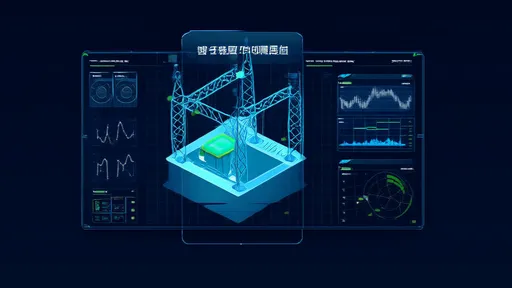
The concept of digital twins has rapidly evolved from a theoretical idea to a transformative technology across industries. In the energy sector, digital twins are revolutionizing how power grids are monitored, maintained, and repaired. One of the most promising applications is in fault localization within electrical grids, where even minor disruptions can cascade into widespread outages. By creating a virtual replica of the physical grid, operators can simulate, predict, and pinpoint faults with unprecedented accuracy.
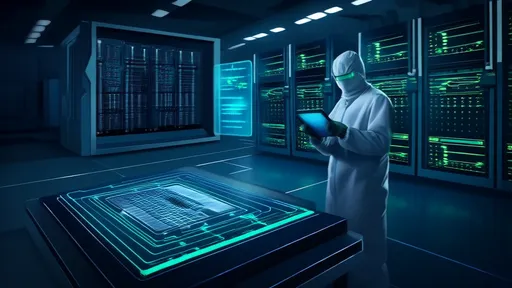
Digital twin technology enables real-time synchronization between the physical grid and its virtual counterpart. Sensors embedded throughout the infrastructure feed continuous data streams into the digital model, updating it dynamically. This bidirectional flow of information allows the twin to reflect the actual state of the grid at any given moment. When a fault occurs, the digital twin doesn’t just identify the problem—it provides context, showing how the issue might propagate and suggesting optimal repair strategies before technicians are even dispatched.
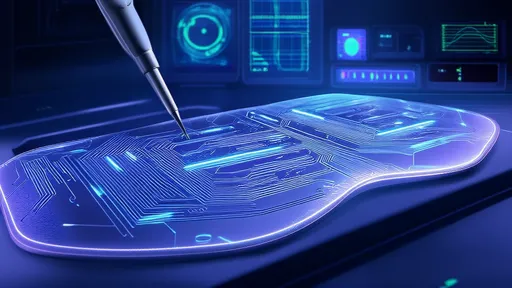
The traditional approach to fault localization often relies on manual inspections and historical data, which can be time-consuming and imprecise. In contrast, a digital twin-powered system leverages machine learning and advanced analytics to detect anomalies as they emerge. For instance, subtle fluctuations in voltage or current that might go unnoticed by conventional systems can trigger alerts in the digital twin. By correlating these anomalies with spatial and temporal data, the system narrows down the fault location to a specific segment of the grid, often within minutes.
One of the key advantages of this technology is its ability to handle the complexity of modern power grids. With the increasing integration of renewable energy sources and distributed generation, grids have become more dynamic and unpredictable. A digital twin accounts for these variables, modeling scenarios like sudden drops in solar generation or wind fluctuations. When a fault occurs, the system can differentiate between a genuine failure and a temporary imbalance caused by renewable intermittency, reducing false alarms and improving response times.
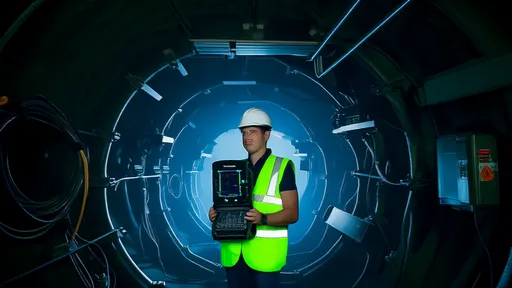
Utilities adopting digital twins for fault localization report significant improvements in operational efficiency. For example, some have reduced outage durations by as much as 40% by eliminating the guesswork involved in traditional fault-finding. Crews arrive on-site with precise coordinates and repair plans, minimizing downtime and customer disruption. Moreover, the predictive capabilities of digital twins allow operators to address vulnerabilities before they escalate, shifting from reactive to proactive grid management.
Despite its potential, the implementation of digital twins in power grids is not without challenges. High-fidelity modeling requires vast amounts of data, robust computational resources, and seamless integration with existing grid management systems. Utilities must also address cybersecurity concerns, as the digital twin becomes a critical component of grid operations. However, as computational power grows and IoT devices become more sophisticated, these barriers are gradually being overcome.
Looking ahead, the role of digital twins in fault localization is set to expand. Innovations like edge computing and 5G connectivity will enable even faster data processing and real-time updates to the virtual model. Researchers are also exploring the integration of augmented reality (AR) interfaces, allowing field technicians to visualize the digital twin overlay on physical equipment. These advancements promise to further enhance the speed and accuracy of fault detection, ensuring more resilient and reliable power grids for the future.
The marriage of digital twin technology and power grid management marks a paradigm shift in how we approach fault localization. By bridging the gap between the physical and digital worlds, utilities can not only respond to outages more effectively but also anticipate and prevent them. As the technology matures, it will undoubtedly become a cornerstone of smart grid infrastructure, paving the way for a more sustainable and outage-resistant energy ecosystem.

By /Aug 15, 2025

By /Aug 26, 2025
By /Aug 26, 2025

By /Aug 15, 2025
By /Aug 15, 2025
By /Aug 15, 2025
By /Aug 15, 2025

By /Aug 26, 2025

By /Aug 15, 2025

By /Aug 15, 2025
By /Aug 15, 2025
By /Aug 15, 2025
By /Aug 15, 2025
By /Aug 15, 2025

By /Aug 15, 2025

By /Aug 15, 2025

By /Aug 26, 2025

By /Aug 15, 2025

By /Aug 15, 2025
By /Aug 26, 2025